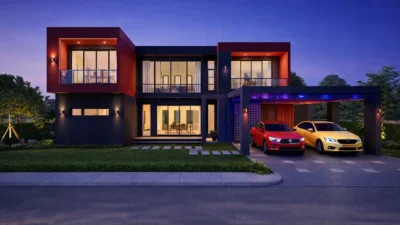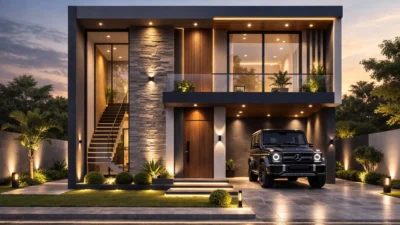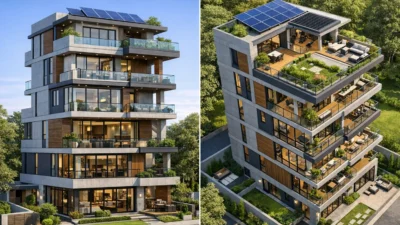


In the quest for affordable, eco-friendly, and innovative housing, container homes have emerged as an exciting and practical option. The modern container house design we’ll explore today perfectly combines functionality, aesthetics, and sustainability, making it ideal for those who want to minimize their environmental impact while enjoying contemporary living. This article will delve into the features, floor plans, and exterior design of this stunning container house.
Key Features of the Container House
-
Eco-Friendly and Sustainable: One of the main advantages of container houses is their sustainability. Using repurposed shipping containers not only reduces waste but also lowers construction costs. This home is designed with an eco-conscious mindset, making it a perfect choice for individuals who prioritize sustainability.
-
Compact yet Spacious: Despite the small footprint of a container, the design maximizes the available space with an open-floor plan that ensures ample room for daily living. The layout is efficient, offering just the right amount of space for a couple or small family.
-
Energy Efficiency: The house is designed with energy-efficient materials and modern insulation that help regulate temperature, reducing heating and cooling costs.
-
Versatility and Mobility: Container homes offer unmatched flexibility, allowing homeowners to modify the layout or even move the house if necessary. Whether you are looking for a permanent home, a vacation retreat, or a mobile option, container homes provide endless possibilities.
Floor Plans: Understanding the Layout of the Container House
The Floor Plan
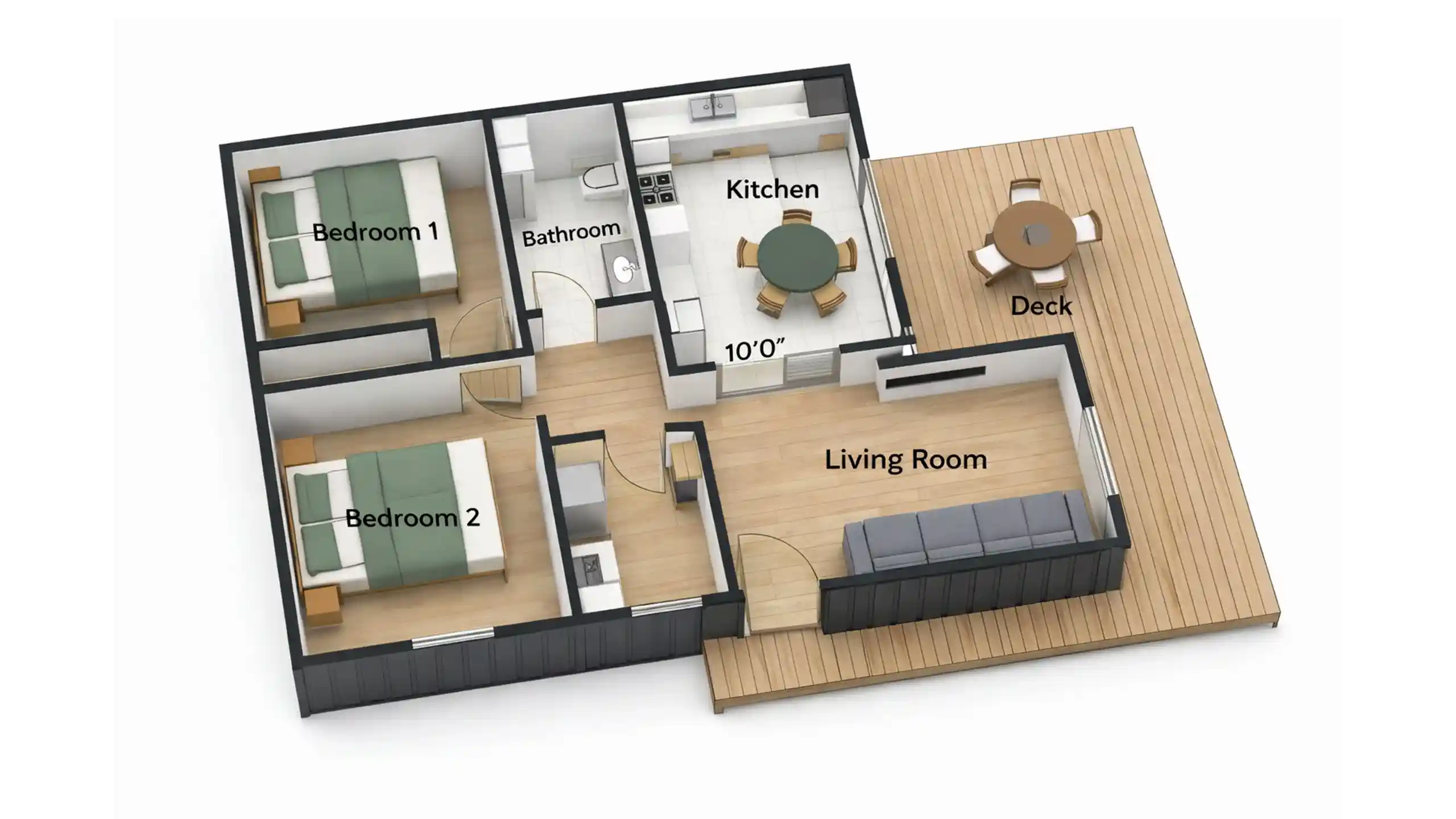
This container house follows an open-concept layout, where the living, dining, and kitchen areas flow seamlessly into one another. The Living Room is centrally located, offering a comfortable space for relaxation and socializing. The Kitchen is efficiently integrated with the dining area, making it easy to entertain guests while cooking.
The house features two bedrooms at opposite ends of the layout. Each bedroom is designed to maximize the available space, offering enough room for a bed and essential furniture. The bathroom is centrally located, making it easily accessible from all rooms. The deck at the front of the house serves as an outdoor living space, perfect for enjoying the fresh air and surrounding views.
Reverse Engineering the Layout
To give a deeper understanding of the container house design, a reverse-engineered view showcases how the space is utilized efficiently. With minimal walls and a wide open-plan design, the layout emphasizes practicality while maintaining an open, airy feel.

Exterior Design: Style and Curb Appeal of the Container House
Sleek and Industrial Look
The exterior design of this container house embraces the industrial aesthetic that container homes are known for. The use of steel shipping containers gives the house a sleek and modern look, while its dark-colored finish allows it to blend effortlessly into urban, rural, or natural settings.
The roofline of the container house is simple and functional, allowing for efficient drainage and weather protection. The deck at the front adds a touch of warmth to the otherwise minimalistic structure, offering a comfortable space for outdoor activities. The large windows ensure ample natural light floods the interior, enhancing the living experience inside.
Sustainable and Durable Materials
Container homes are built to withstand harsh conditions, and this one is no exception. The use of metal containers ensures that the structure is durable and weather-resistant. Additionally, the house is designed to be energy-efficient, with double-glazed windows and high-quality insulation that help maintain comfortable indoor temperatures throughout the year.

Efficient Use of Space: How Container Homes Maximize Every Square Foot
Smart Design Choices for Maximum Space Utilization
Despite its small size, the container house features a well-thought-out design that uses every inch of space wisely. The open-plan layout minimizes the use of internal walls, creating a spacious atmosphere while keeping the design functional. The kitchen and dining areas are designed to maximize efficiency, with smart storage solutions that reduce clutter and create a clean, minimalist aesthetic.
The bedrooms are thoughtfully arranged to offer privacy while making use of the limited space. With built-in storage, clever furniture placement, and smart design choices, this home provides everything you need without feeling cramped.
Back-side of the house
Side Views: The Exterior’s Practicality and Design
The side views of this container home highlight its symmetry and compactness. The structure of the house is simple yet stylish, showcasing the unique qualities of shipping container architecture. Large windows and well-placed entryways provide ample access to natural light, and the materials used ensure the home’s durability and functionality. The house’s minimalistic approach in design allows it to stand out without being overpowering.


Aerial View: Complete Overview of the Container Home’s Layout
The top angle view provides a comprehensive look at how the house fits into its environment. The container house’s layout is perfectly suited for compact living, with its efficient roof design and outdoor deck creating a seamless connection to nature. The aerial shot also gives a great perspective on the functional placement of windows and doors, which enhances the home’s livability and aesthetic appeal.

Pricing and Considerations for Building a Container House in the USA
The cost of building a container home like this can vary based on factors like location, labor costs, and materials used. However, container homes tend to be more affordable than traditional homes. For a house of this size and design, you can expect the price to range between $100,000 to $200,000 in the United States. The lower cost of materials, combined with the smaller square footage, makes it an appealing option for budget-conscious buyers.
One thing to keep in mind is the cost of land. While container homes are generally cheaper to build, the price of the land where the house will be placed is an important factor. Additionally, local regulations and zoning laws may impact the feasibility of building a container home, so it’s essential to research the rules in your area.
The Ideal Location for a Container Home: Flexibility and Mobility
One of the biggest advantages of container homes is their mobility. These homes can be placed on a small lot in suburban or rural areas or even used as guest houses or vacation cabins in remote locations. The compact and transportable nature of the design means it’s perfect for off-grid living, eco-friendly communities, or those looking to create a sustainable lifestyle.
Container homes are ideal for people who want a minimalist lifestyle or for those who enjoy being surrounded by nature. Whether it’s nestled in the woods, placed on a beachfront, or situated in the mountains, a container home can be the perfect choice for a sustainable, flexible living arrangement
This modern container house offers a sustainable, stylish, and compact living solution for people who want to downsize, live more sustainably, or simply enjoy the unique appeal of container architecture. Whether used as a permanent residence, vacation home, or eco-friendly retreat, this design provides everything you need while minimizing your environmental footprint.
The efficiency, affordability, and design flexibility make container homes an excellent choice for modern living. With energy-efficient features, an open-plan layout, and stylish exterior design, this house combines form, function, and sustainability.